

HAIR LOSS GUIDE · THE MEN CLINICS
Hair Transplant Risks and Side Effects
It is surgery, and surgery has risks. Here is the full list, how common each one is, and what we do about it.
Last clinically reviewed: August 2026
Hair transplantation is a low-risk procedure performed under local anaesthetic, but no operation is risk-free and you deserve the complete picture before consenting.
Common and expected
| Effect | How common | Duration |
|---|---|---|
| Swelling of forehead | Very common | 2–5 days |
| Numbness in donor area | Common | Weeks to a few months |
| Crusting at graft sites | Universal | 7–12 days |
| Itching during healing | Common | 1–3 weeks |
| Shedding of transplanted hair | Almost universal | Weeks 2–6 |
| Tightness in the donor area | Common | 1–2 weeks |
Less common
- Folliculitis, small inflamed spots around grafts, usually treatable simply
- Infection, uncommon with proper aftercare and prophylaxis
- Persistent numbness beyond six months, rare
- Visible donor scarring, largely a function of technique and extraction density
- Shock loss of native hair, usually temporary
- Poor growth or low yield, uncommon but the most consequential
How risk is reduced
- Full medical history and review of medication before surgery
- Stopping smoking for at least two weeks either side of the procedure
- Sterile technique and appropriate prophylaxis
- Conservative extraction density protecting the donor area
- In-person review the day after surgery and at intervals thereafter
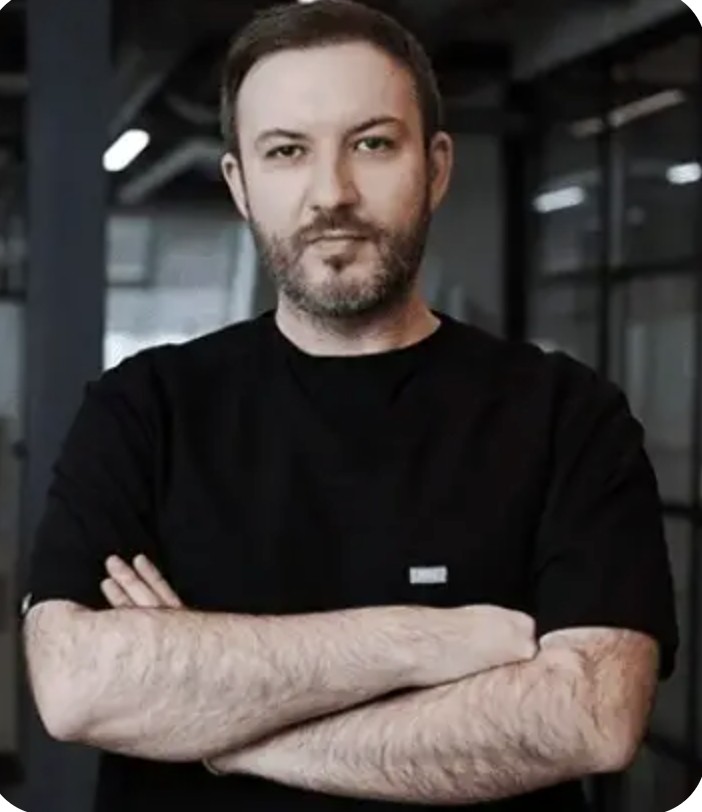 Clinically reviewed by Dr. Ducu Botoaca
Aesthetic & Hair Transplant Surgeon and founder of The Men Clinics, Soho, London. This page is general information and is not a substitute for a personal medical assessment.
Clinically reviewed by Dr. Ducu Botoaca
Aesthetic & Hair Transplant Surgeon and founder of The Men Clinics, Soho, London. This page is general information and is not a substitute for a personal medical assessment.
Frequently asked questions
Is a hair transplant painful?
The anaesthetic injections sting briefly. The procedure itself is not painful. Most men describe the first night as an ache managed easily with simple analgesia.
What is the most common complication?
Swelling of the forehead in the first few days, which is expected rather than a true complication and settles on its own. Folliculitis during regrowth is the most common genuine issue and is usually easily treated.
Can I lose more hair because of surgery?
Shock loss of surrounding native hair can occur, particularly hair that was already miniaturising. It is usually temporary, with regrowth over three to six months.
Is there a risk of nerve damage?
Temporary numbness in the donor area is common and resolves over weeks to months. Permanent numbness is rare.
What if the grafts do not grow?
Poor growth is uncommon in well-performed surgery. It should be assessed formally at twelve months against baseline photographs, and the cause identified before any further procedure.
KEEP READING
More hair loss guides
Ready to talk to a specialist?
Book a free, no-obligation consultation at our Soho clinic. You will get an examination, an honest assessment and a written plan with no deposit requested on the day.
The information on this page is general guidance and is not medical advice. It does not replace a personal consultation with a qualified clinician. Individual results vary. The Men Clinics, Soho, London.