

HAIR RESTORATION · LONDON
Crown Hair Transplant
The hardest area to transplant convincingly, and the one where the right advice sometimes means treating the front first.
Last clinically reviewed: August 2026
The crown is the most demanding area to transplant well, and the area where honest advice matters most.
Crown hair grows in a spiral whorl pattern. Recreating that swirl convincingly requires grafts placed at constantly changing angles around a central point. It also sits on a curved surface, meaning it needs more grafts per visible square centimetre than a flat frontal zone.
Why the crown is different
- The whorl pattern requires angle changes across the whole area
- Curvature means more grafts are needed for the same visual coverage
- Crown loss often expands outward over time, chasing your donor supply
- It is not visible to you in the mirror, but very visible to others
- Results can look sparse until density passes a threshold
Our approach to crown work
- Assess progression riskYounger men with expanding crown loss are usually advised to stabilise medically before committing donor grafts here.
- Map the whorlThe existing or original swirl direction is identified and used as the template for graft angles.
- Prioritise the perimeterBuilding a defined edge first creates the impression of coverage more efficiently than filling the centre.
- Stage where sensibleA second smaller session later often produces a better long-term result than exhausting donor supply in one go.
Graft numbers for the crown
Crown coverage typically requires 1,500 to 2,500 grafts, and advanced cases can need more. Combined front and crown plans commonly run from 3,000 to 4,500 grafts.
Use our graft estimator for an indicative range, then have it confirmed at consultation.
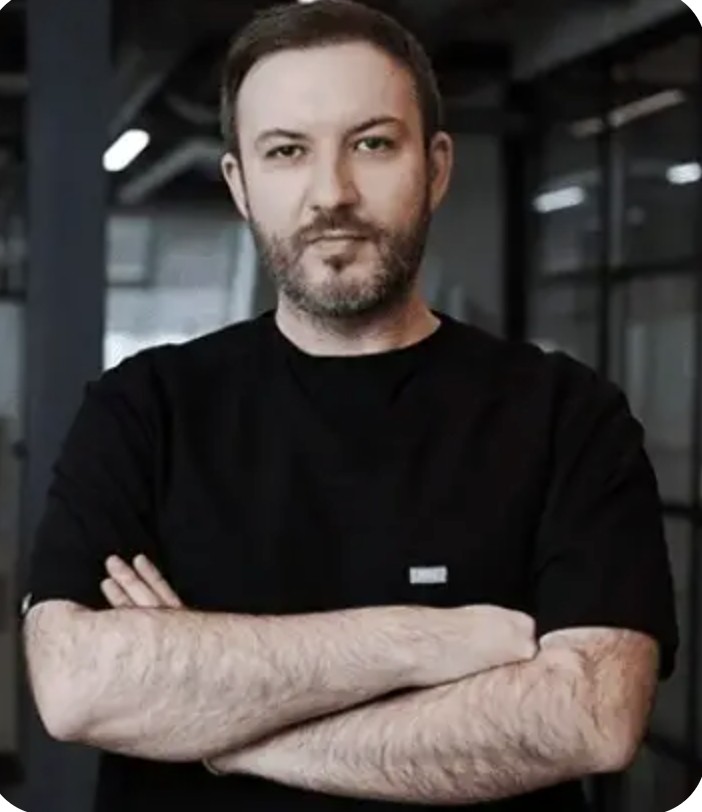 Clinically reviewed by Dr. Ducu Botoaca
Aesthetic & Hair Transplant Surgeon and founder of The Men Clinics, Soho, London. This page is general information and is not a substitute for a personal medical assessment.
Clinically reviewed by Dr. Ducu Botoaca
Aesthetic & Hair Transplant Surgeon and founder of The Men Clinics, Soho, London. This page is general information and is not a substitute for a personal medical assessment.
Frequently asked questions
Should I treat my crown or my hairline first?
If donor supply is limited, the frontal third usually delivers more visual benefit because it frames your face. The crown is only seen by others from behind or above. Many men are best served treating the front first and reassessing the crown once their loss has stabilised.
Why does the crown need so many grafts?
Two reasons. The scalp curves at the crown, so a given number of grafts covers less apparent surface area from any viewing angle. And the whorl pattern means hairs radiate outward rather than lying in one direction, so they cover the scalp less efficiently.
Will crown loss keep spreading after a transplant?
It can. Transplanted grafts are permanent, but surrounding native hair may continue to thin, creating a halo of loss around the treated zone. This is why medical management alongside surgery is strongly recommended for crown cases.
Can PRP help my crown instead of surgery?
PRP can support existing miniaturising hair and is often useful in early crown thinning. It will not regrow hair where follicles are already gone. It is best considered a complement to a plan rather than a replacement for surgery.
How long until my crown looks fuller?
Crown results are typically slower to become visible than frontal work. Expect meaningful change from month six and the final judgement at fifteen to eighteen months.
EXPLORE MORE
Other treatments
Ready to talk to a specialist?
Book a free, no-obligation consultation at our Soho clinic. You will get an examination, an honest assessment and a written plan with no deposit requested on the day.
The information on this page is general guidance and is not medical advice. It does not replace a personal consultation with a qualified clinician. Individual results vary. The Men Clinics, Soho, London.