

MEN'S TREATMENTS · LONDON
PRP Hair Treatment
Growth factors from your own blood, used to support follicles that are thinning but still present. A supportive therapy, not a replacement for surgery.
Last clinically reviewed: August 2026
PRP uses growth factors concentrated from your own blood to support follicles that are miniaturising but not yet gone.
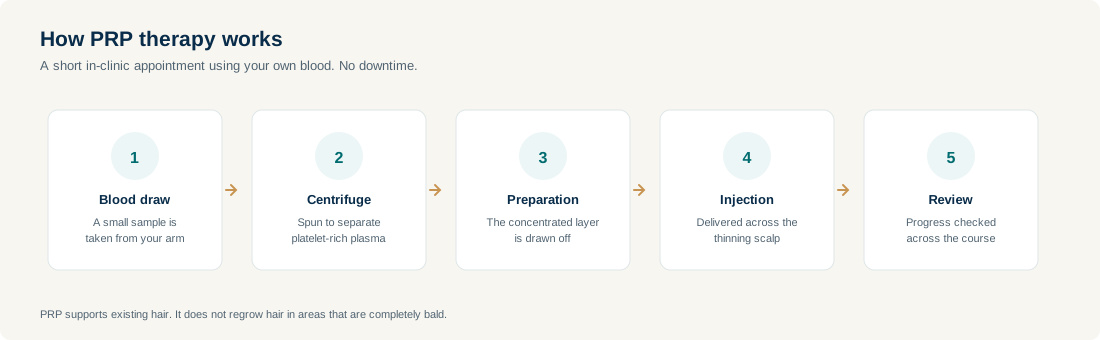
Platelet-rich plasma is prepared by taking a small blood sample, spinning it in a centrifuge to separate the platelet-rich layer, and injecting that concentrate across the thinning areas of your scalp. The growth factors released by those platelets are thought to prolong the growth phase of the hair cycle and improve follicular blood supply.
What PRP can and cannot do
This is where honest framing matters. PRP is a supportive treatment, not a regrowth miracle.
| PRP can | PRP cannot |
|---|---|
| Thicken existing miniaturising hairs | Regrow hair where the follicle is gone |
| Slow the rate of visible thinning | Reverse advanced Norwood patterns |
| Support recovery after a transplant | Replace a hair transplant |
| Improve overall scalp condition | Stop the genetic process causing loss |
The treatment course
- Initial phaseThree to four sessions spaced four weeks apart.
- AssessmentProgress reviewed with standardised photography at around month four.
- MaintenanceOne session every four to six months to sustain the effect.
Results are gradual. Most men notice reduced shedding first, usually around the second or third session, with visible thickening from month three onward. Stopping maintenance means the benefit fades over the following months.
Combining PRP with other treatments
PRP is most effective as part of a plan rather than on its own. It is commonly combined with medical therapy to address the underlying DHT sensitivity, and is frequently used after a hair transplant to support graft recovery and protect surrounding native hair.
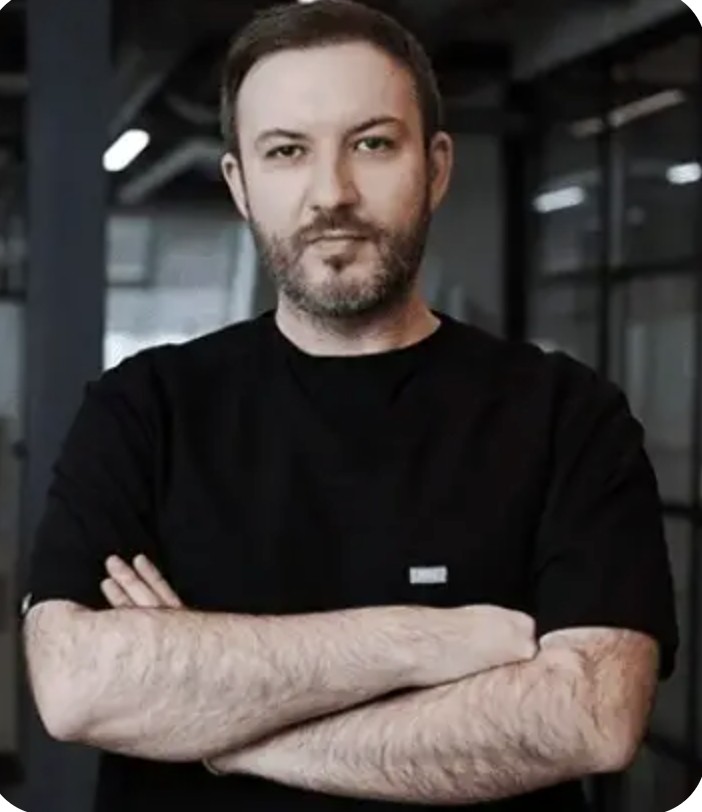 Clinically reviewed by Dr. Ducu Botoaca
Aesthetic & Hair Transplant Surgeon and founder of The Men Clinics, Soho, London. This page is general information and is not a substitute for a personal medical assessment.
Clinically reviewed by Dr. Ducu Botoaca
Aesthetic & Hair Transplant Surgeon and founder of The Men Clinics, Soho, London. This page is general information and is not a substitute for a personal medical assessment.
Frequently asked questions
Does PRP actually work?
The evidence supports a modest but real effect on hair thickness and density in early androgenetic thinning. It is not a cure and results vary between individuals. It works best on miniaturising follicles and does nothing where the follicle is already lost.
How many sessions will I need?
Typically three to four sessions four weeks apart, then maintenance every four to six months. Stopping maintenance means the benefit gradually fades.
Is it painful?
The injections sting. We use topical numbing cream and, where needed, a cooling device. Most men describe it as uncomfortable for a few minutes rather than painful, and there is no downtime afterwards.
Can I have PRP after a hair transplant?
Yes, and it is commonly recommended. It supports graft recovery and helps protect the surrounding native hair. Timing is usually from around one month after surgery.
Is there any risk?
Because it uses your own blood there is no risk of allergic reaction to the product itself. Expected effects are temporary tenderness, mild swelling and occasional bruising at injection sites.
EXPLORE MORE
Other treatments
Ready to talk to a specialist?
Book a free, no-obligation consultation at our Soho clinic. You will get an examination, an honest assessment and a written plan with no deposit requested on the day.
The information on this page is general guidance and is not medical advice. It does not replace a personal consultation with a qualified clinician. Individual results vary. The Men Clinics, Soho, London.