

MEN'S TREATMENTS · LONDON
Medical Hair Loss Treatment
The only approach with strong evidence for slowing genetic hair loss. Prescribed after a full assessment, monitored properly, reviewed against photographs.
Last clinically reviewed: August 2026
Medical therapy is the only approach with strong evidence for slowing the genetic process that causes male pattern hair loss.
Everything else in hair restoration manages the consequences of hair loss. Medical treatment addresses the mechanism. That is why it forms the foundation of most long-term plans, whether or not surgery is part of the picture.
How the main options work
Two approaches dominate, and they work in completely different ways, which is why they are often used together.
| Approach | Mechanism | Typical use |
|---|---|---|
| DHT-blocking therapy | Reduces conversion of testosterone to DHT, the hormone driving follicular miniaturisation | Slowing and often partially reversing genetic loss |
| Topical vasodilator therapy | Prolongs the growth phase and improves follicular blood supply | Supporting density, usable alone or alongside DHT therapy |
Side effects and monitoring
Any medication has a risk profile, and you deserve a balanced account rather than either dismissal or scaremongering. Reported side effects for DHT-blocking therapy include sexual side effects in a small minority of men, and there is ongoing debate about persistence in a very small subgroup.
Topical vasodilator therapy commonly causes scalp irritation or dryness, and produces a temporary increase in shedding in the first weeks as follicles synchronise into a new growth cycle.
- Full medical history and discussion of risks before any prescription
- Baseline photography so change can be measured objectively
- Review at three months, then twelve months
- Clear guidance on what to report and when to stop
- Alternative options discussed if side effects occur
What to expect
- Months 1–3Possible temporary increase in shedding. This is expected and not a sign of failure.
- Months 3–6Shedding typically reduces. Hair may feel thicker to the touch before it looks different.
- Months 6–12Visible stabilisation, sometimes with partial regrowth in areas of miniaturisation.
- Month 12Formal review against baseline photographs to decide whether to continue.
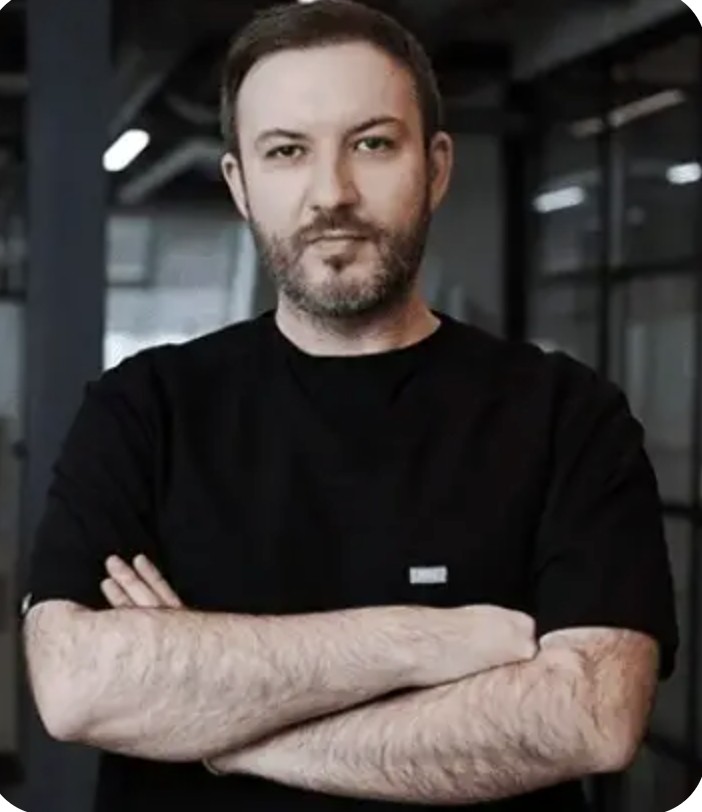 Clinically reviewed by Dr. Ducu Botoaca
Aesthetic & Hair Transplant Surgeon and founder of The Men Clinics, Soho, London. This page is general information and is not a substitute for a personal medical assessment.
Clinically reviewed by Dr. Ducu Botoaca
Aesthetic & Hair Transplant Surgeon and founder of The Men Clinics, Soho, London. This page is general information and is not a substitute for a personal medical assessment.
Frequently asked questions
Do I need medication if I am having a transplant?
In most cases it is strongly recommended, particularly for men under forty. Surgery does not stop ongoing loss of your native hair. Without medical management you risk thinning around your grafts, which can look worse than where you started.
What are the side effects?
DHT-blocking therapy is associated with sexual side effects in a small minority of men, with ongoing debate about persistence in a very small subgroup. Topical treatments commonly cause scalp irritation and a temporary increase in shedding early on. All of this is discussed in full before any prescription.
How long until I see results?
Twelve months for a fair assessment, judged on standardised photographs. Reduced shedding is often noticed around month three to four and is a useful early indicator.
What happens if I stop?
The underlying genetic process resumes. Hair maintained by treatment is typically lost over the following six to twelve months. This is why the decision to start is a long-term one.
Can I buy this online instead?
We would strongly advise against it. Prescription hair loss medication requires a proper history, a discussion of risks and follow-up monitoring. Online sources frequently skip all three, and product provenance can be unreliable.
EXPLORE MORE
Other treatments
Ready to talk to a specialist?
Book a free, no-obligation consultation at our Soho clinic. You will get an examination, an honest assessment and a written plan with no deposit requested on the day.
The information on this page is general guidance and is not medical advice. It does not replace a personal consultation with a qualified clinician. Individual results vary. The Men Clinics, Soho, London.