

MEN'S TREATMENTS · LONDON
Exosome Hair Therapy
A newer adjunct therapy delivering signalling molecules to the follicular environment. We are candid about where the evidence currently sits.
Last clinically reviewed: August 2026
Exosome therapy delivers concentrated signalling molecules to the scalp to support follicular activity and the local cellular environment.
Exosomes are tiny extracellular vesicles that cells use to communicate. In hair treatment they are applied to the scalp after microneedling, or injected, with the aim of delivering growth factors and signalling proteins directly to the follicular environment.
Where the evidence stands
We want to be straight with you about this one. Exosome therapy is newer than PRP and the published clinical evidence base is smaller. Early studies and clinical experience are encouraging, but the long-term data that exists for medical therapy simply is not there yet.
Regulation of exosome products varies internationally. We use products sourced through UK-regulated supply chains and will discuss provenance with you at consultation.
What treatment involves
- PreparationThe scalp is cleansed and topical anaesthetic applied where needed.
- MicroneedlingControlled micro-channels are created to aid absorption.
- ApplicationThe exosome preparation is applied across the treatment area.
- AftercareHair is left unwashed for a set period; normal activity resumes the same day.
A course is typically three sessions spaced two to four weeks apart, with review at month four.
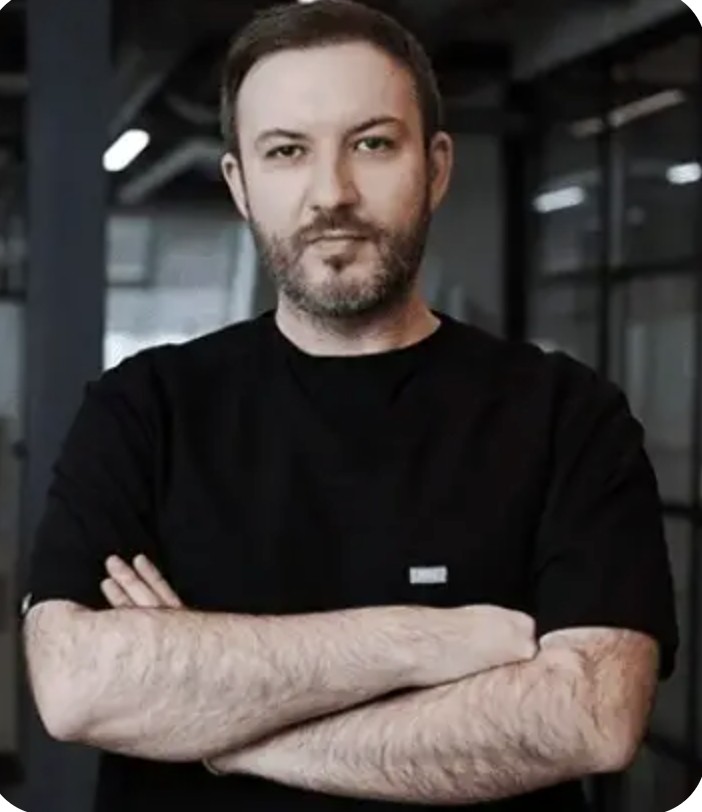 Clinically reviewed by Dr. Ducu Botoaca
Aesthetic & Hair Transplant Surgeon and founder of The Men Clinics, Soho, London. This page is general information and is not a substitute for a personal medical assessment.
Clinically reviewed by Dr. Ducu Botoaca
Aesthetic & Hair Transplant Surgeon and founder of The Men Clinics, Soho, London. This page is general information and is not a substitute for a personal medical assessment.
Frequently asked questions
Is exosome therapy better than PRP?
The evidence does not currently support that claim. PRP has a longer track record and more published data. Exosome therapy is promising but newer. We generally recommend establishing a medical and PRP foundation before adding exosomes.
How many sessions are needed?
Usually three sessions two to four weeks apart, then review. Maintenance intervals are individualised.
Is it safe?
Reported side effects are generally limited to temporary scalp redness and tenderness. Because it is a newer therapy, long-term safety data is less extensive than for established treatments, which we discuss with you before proceeding.
Can it be combined with a transplant?
Yes, it can be used to support the recipient area and surrounding native hair, usually starting around a month after surgery.
EXPLORE MORE
Other treatments
Ready to talk to a specialist?
Book a free, no-obligation consultation at our Soho clinic. You will get an examination, an honest assessment and a written plan with no deposit requested on the day.
The information on this page is general guidance and is not medical advice. It does not replace a personal consultation with a qualified clinician. Individual results vary. The Men Clinics, Soho, London.